
Implementation Resources for Training Models Pacing Support and Practical Tips for Educators
- Aug 11
- 2 min read
Training models works best when educators have clear materials, realistic timing, and dependable help. Strong implementation resources make the process easier to plan, teach, and adjust as learners build skill over time.

Pacing information supports effective learning
Pacing should give learners enough time to understand concepts, practice with examples, and reflect on results. A useful training model plan often includes:
Short learning blocks
Focus on one concept at a time.
Guided practice
Model the task before asking learners to try it.
Checkpoint moments
Use quick prompts, exit tickets, or sample reviews to see what needs reteaching.
Flexible extension time
Build in space for groups that need more practice or deeper challenges.

Educator support makes implementation smoother
Educator support may include facilitator guides, lesson samples, rubrics, planning templates, recorded walkthroughs, and peer discussion spaces. The best resources explain both what to teach and how to respond when learners struggle.
Clear examples matter. Sample prompts, completed student work, and reflection questions help educators make faster decisions during instruction.

Practical ways to use resources well
Start small. Choose one resource, teach one routine, and gather evidence before adding more.
Try these habits:
Preview materials before instruction.
Mark places where learners may need extra support.
Pair pacing guides with real classroom feedback.
Revisit rubrics after each activity.
Share useful adaptations with colleagues.
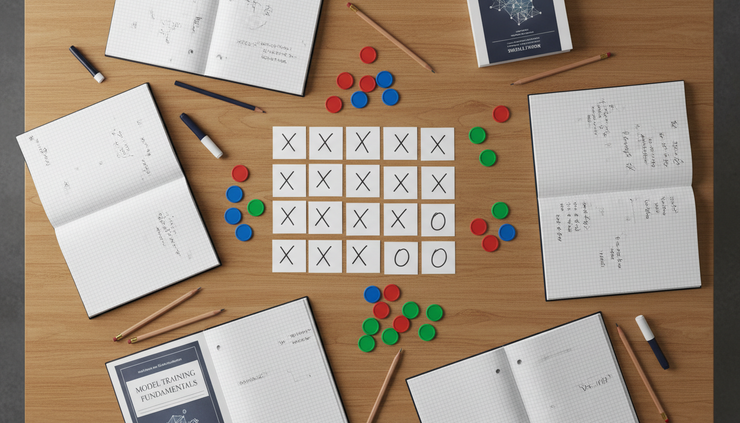
Strong implementation resources for training models help educators teach with confidence, pace learning with care, and adjust instruction based on what learners actually need. Start with the pacing guide, use the support tools, and refine one lesson at a time.
Comments